The Future of Acne Treatment: A Science-Backed Guide
Acne is changing and so is the way we treat it. If you have ever felt frustrated trying product after product with only temporary improvement, you are not alone. Modern dermatology now understands that acne is not just about clogged pores or oily skin. It is a complex condition influenced by hormones, inflammation, bacteria, stress, and lifestyle.
The good news is that acne treatment is entering a new phase. One that is more precise, more gentle, and more effective long term.
Acne Is Not Just a Skin Problem
In the past, acne was treated mainly from the outside using creams, antibiotics, or strong drying agents. Today, science shows that acne often reflects what is happening inside the body.
Hormonal changes, stress, poor sleep, diet, gut health, and chronic inflammation can all trigger or worsen acne. This is why two people with similar looking acne may need very different treatments.
Future acne care focuses on understanding your unique triggers instead of using the same routine for everyone.
Personalized Acne Treatment Is the Future
There is no single best acne treatment. What works for one person may fail for another.
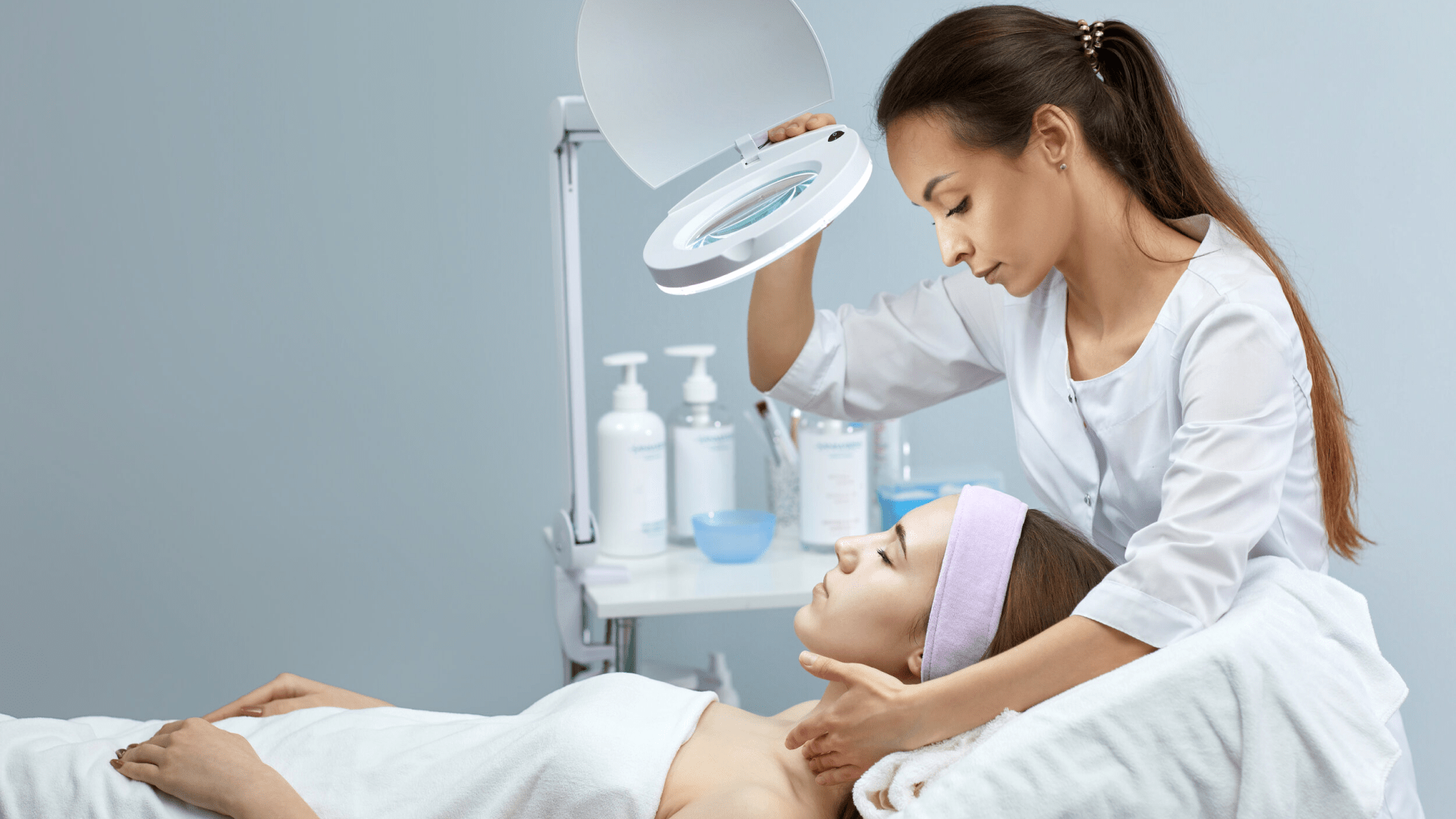
Modern acne care is becoming personalized. Dermatologists now assess your acne type, skin sensitivity, hormonal pattern, age, and lifestyle before creating a treatment plan. Advanced skin analysis and digital tools help track how your skin responds over time so treatments can be adjusted early rather than waiting months.
This reduces unnecessary irritation, improves results, and helps maintain clearer skin longer.
Protecting Your Skin Barrier Matters More Than Ever
One of the biggest changes in acne treatment is the shift from aggressive drying to barrier protection.
Overusing harsh cleansers, scrubs, or strong actives can damage the skin barrier. When the barrier is weak, inflammation increases and acne often worsens.
Future acne routines focus on gentle cleansing, proper hydration, and calming inflammation while still treating breakouts. Healthy skin heals faster and responds better to treatment.
The Role of Skin Bacteria Is Being Redefined
Not all bacteria on your skin are bad.
Research shows that healthy skin has a balanced microbiome. Some bacteria protect against inflammation while others contribute to acne when they overgrow. Instead of killing all bacteria, newer acne treatments aim to restore balance.
This approach reduces redness, irritation, and rebound breakouts while supporting long term skin health.
Advanced Treatments That Support Skin Healing
Modern dermatology is moving beyond just controlling acne to helping the skin recover.
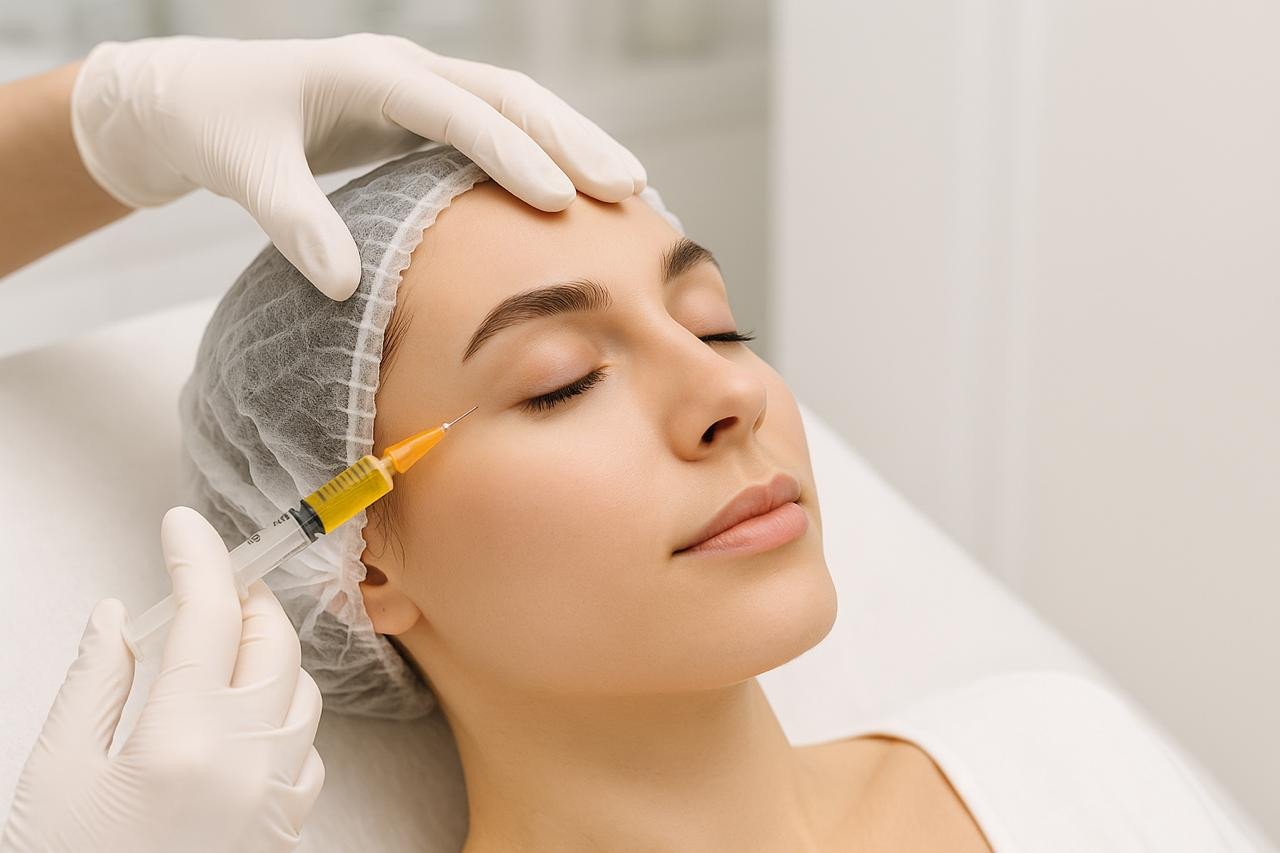
Treatments such as light based therapies, microneedling, and regenerative injectables help reduce inflammation, support collagen production, and improve skin quality. These are no longer used only for acne scars but also to support active acne treatment in selected patients.
When used correctly, these treatments can shorten recovery time and reduce the risk of long lasting marks.
Acne Treatment Will Become Preventive
Future acne care is not only about treating active breakouts but also preventing them.
Early signs like increased oiliness, mild congestion, redness, or sensitivity can be managed before acne becomes severe. Preventive care helps reduce flares, scarring, and the emotional stress that often comes with acne.
Consistency and early intervention are key.
Acne and Emotional Health Are Closely Linked
Acne can affect confidence, self image, and social life at any age.
Modern acne treatment considers both physical and emotional impact. Dermatologists aim for steady improvement rather than quick fixes that may cause side effects. Feeling comfortable in your skin is just as important as clear skin.
What Patients Can Expect in the Coming Years
- More personalized treatment plans
- Gentler but more effective therapies
- Less trial and error
- Better long term control
- Healthier, stronger skin
- Acne care is becoming smarter and more patient focused.
How Cutiscity Helps
Cutiscity connects patients with experienced dermatologists who understand modern, evidence based acne care. Through expert guidance, education, and access to trusted professionals, patients can make informed decisions about their skin health.
The future of acne treatment is not about using more products. It is about understanding your skin better and treating it with precision and care.
Clearer skin is possible and it starts with the right knowledge and expert support.