PN vs PDRN vs Salmon DNA: A Clear, Evidence Based Guide for Modern Aesthetic Practice
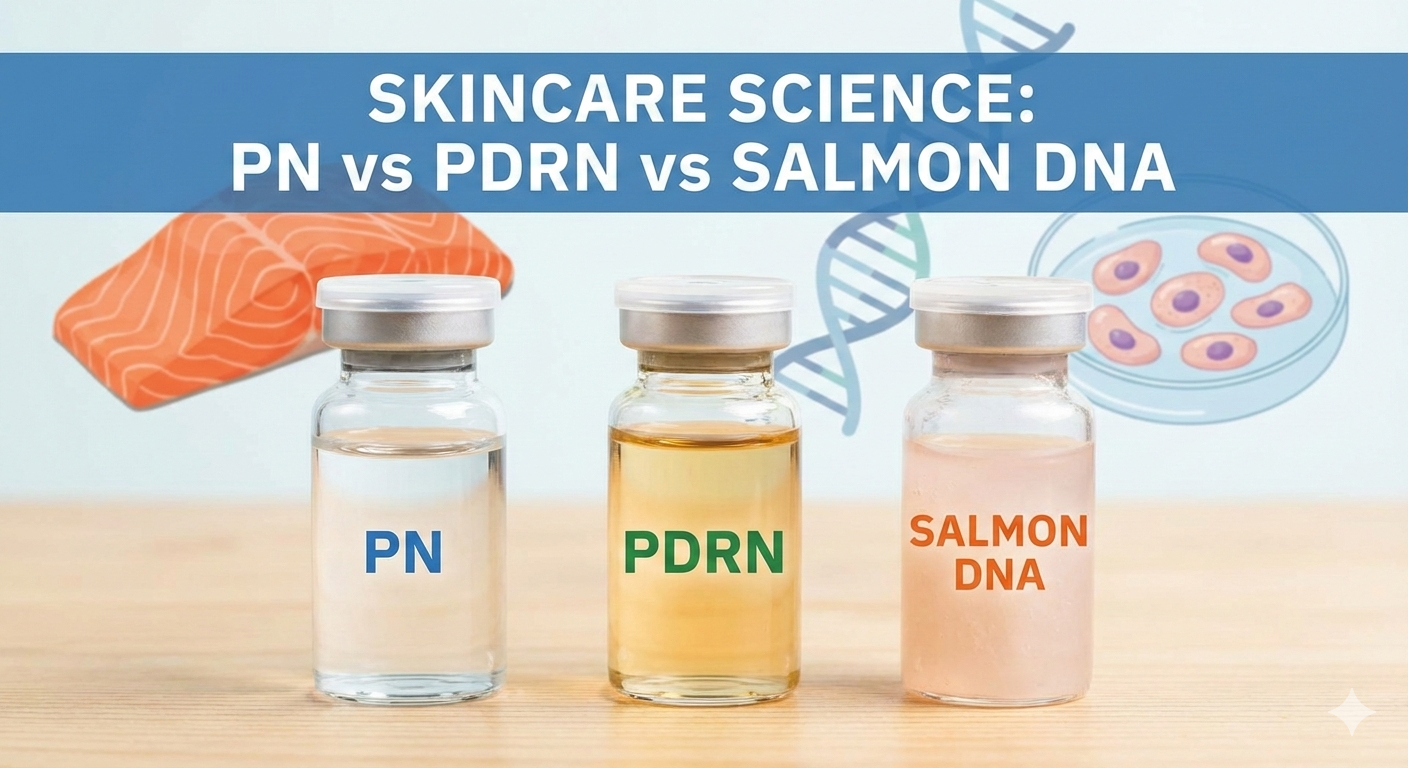
In recent years, salmon DNA based injectables have become a cornerstone of regenerative and aesthetic dermatology. Terms such as PN, PDRN, and salmon DNA are often used interchangeably, leading to confusion among patients and even professionals.
This Cutiscity reference guide is designed to clearly define each term, explain their biological differences, outline clinical indications, and map commonly used brands to their correct category.
Understanding the terminology
Salmon DNA
Salmon DNA refers to purified DNA fragments extracted from salmon sperm. Salmon DNA is used because of its high biocompatibility with human tissue and its proven regenerative and biostimulatory properties.
Both PDRN and PN are derived from salmon DNA. The difference lies in molecular size, structure, and clinical behavior.
PDRN (Polydeoxyribonucleotide)
PDRN consists of shorter DNA fragments with lower molecular weight. These fragments primarily act at a cellular and molecular signaling level rather than forming a structural scaffold in the dermis.
PDRN was initially used in medical fields such as wound healing, orthopedics, and tissue repair before being adopted into aesthetic medicine.
Biological actions of PDRN
• Stimulates cell repair and regeneration pathways
• Reduces inflammation and oxidative stress
• Enhances fibroblast activity
• Promotes collagen and elastin synthesis
• Improves microcirculation and tissue recovery
Clinical indications for PDRN
• Sensitive or reactive skin
• Post laser or energy-based procedures
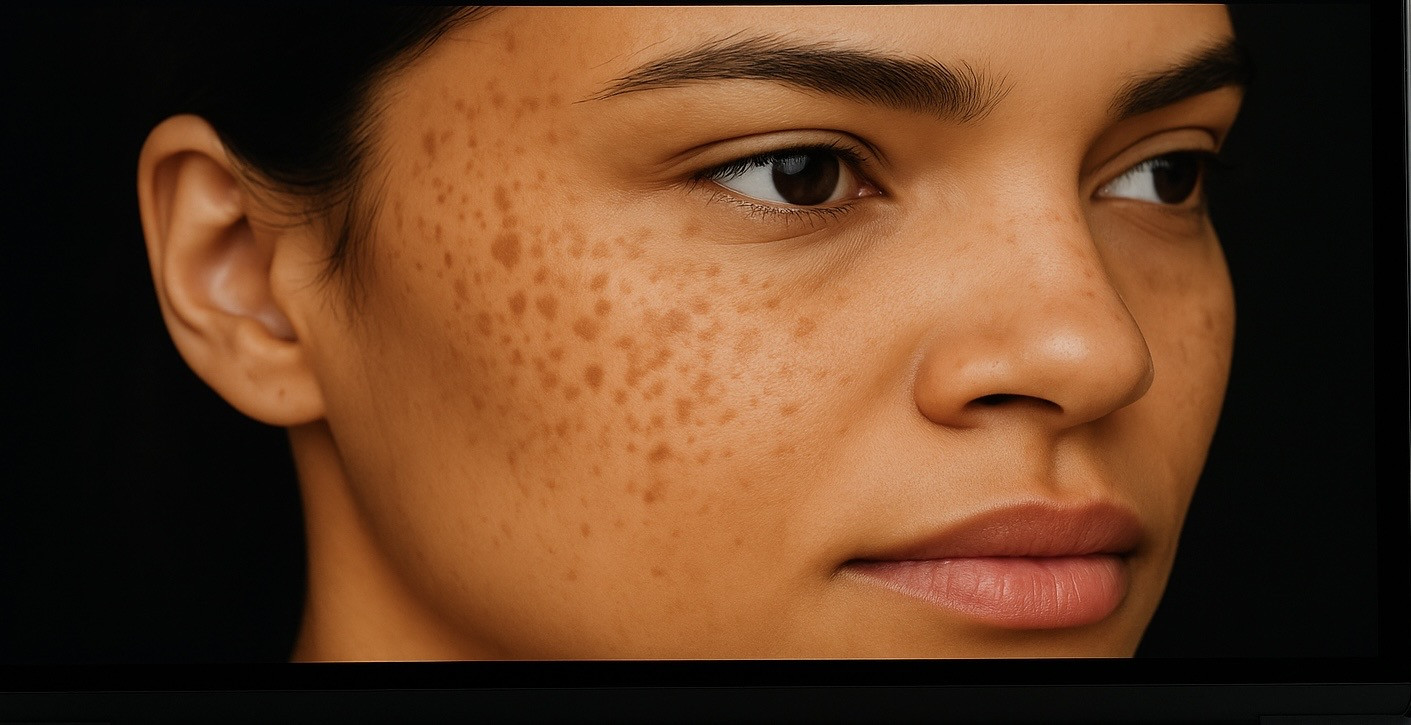
• Acne scars and post-inflammatory erythema
• Dull, tired, or dehydrated skin
• Early fine lines
• Compromised skin barrier
PDRN is best viewed as a regenerative and calming treatment rather than a structural anti-aging solution.
PN (Polynucleotide)
PN refers to longer chain DNA fragments with higher molecular weight. Due to their size and structure, polynucleotides act as a biological scaffold within the dermis.
This scaffold supports prolonged fibroblast activation and sustained collagen and elastin production, leading to long-term improvements in skin quality.
Biological actions of PN
• Strong stimulation of collagen and elastin
• Improvement in dermal density
• Enhanced elasticity and firmness
• Improved hydration and skin texture
• Long-lasting tissue remodeling
PN treatments go beyond repair and focus on rebuilding dermal structure.
Clinical indications for PN
• Skin laxity and early sagging
• Loss of elasticity and firmness
• Crepey skin, especially under eyes and neck
• Poor skin texture and thinning skin
• Long-term anti-aging and skin quality enhancement
Practical comparison
In clinical practice:
PDRN prioritizes repair, calming, and regeneration.
PN prioritizes structure, firmness, and sustained rejuvenation.
They are not competing treatments. They are complementary.
Brand examples and positioning
Understanding brand positioning is essential for setting realistic expectations.
Rejuran
Rejuran is a Korean injectable based on salmon DNA derivatives, positioned primarily as a regenerative and skin-healing treatment. It is widely used to improve hydration, texture, elasticity, and skin recovery, particularly in sensitive, inflamed, or scarred skin.
Rejuran is commonly selected for:
• Skin repair and recovery
• Acne scars and redness
• Early signs of aging
• Post procedure rehabilitation
PhilArt and PhilArt Croma
PhilArt products are PN-based injectables designed for skin regeneration and anti-aging. They focus on improving hydration, texture, elasticity, and fine lines through fibroblast stimulation.
They are commonly used as injectable skin boosters for facial rejuvenation and under-eye treatments.
Plinest
Plinest uses highly purified polynucleotides and is typically chosen for stronger dermal remodeling. It is well suited for patients with visible aging, skin laxity, and reduced firmness.
Plinest is often incorporated into advanced anti-aging protocols.
HAPN 70
HAPN 70 is a high-purity PN skin booster aimed at improving collagen production, elasticity, and overall skin quality. Concentration indicators such as “70” usually refer to the percentage or strength of active polynucleotides.
It is positioned firmly within the PN category.
TWAC
TWAC is another PN-based injectable used for regenerative and anti-aging purposes. Like other PN products, it focuses on collagen stimulation, elasticity improvement, and enhancement of skin quality.
How clinicians choose between PDRN and PN
• Choose PDRN for rapid regeneration, calming effects, scar healing, and post-procedure recovery
• Choose PN for deeper dermal remodeling, stronger collagen stimulation, improved firmness, and long-term anti-aging
In many treatment plans, clinicians combine both for optimal outcomes.
Combination and treatment protocols
Common clinical approach:
• Initial PDRN sessions to stabilize and repair the skin
• Follow-up PN sessions to rebuild structure and improve skin quality
Both can be combined with microneedling, radiofrequency, ultrasound, or laser treatments to enhance results.
Practical considerations
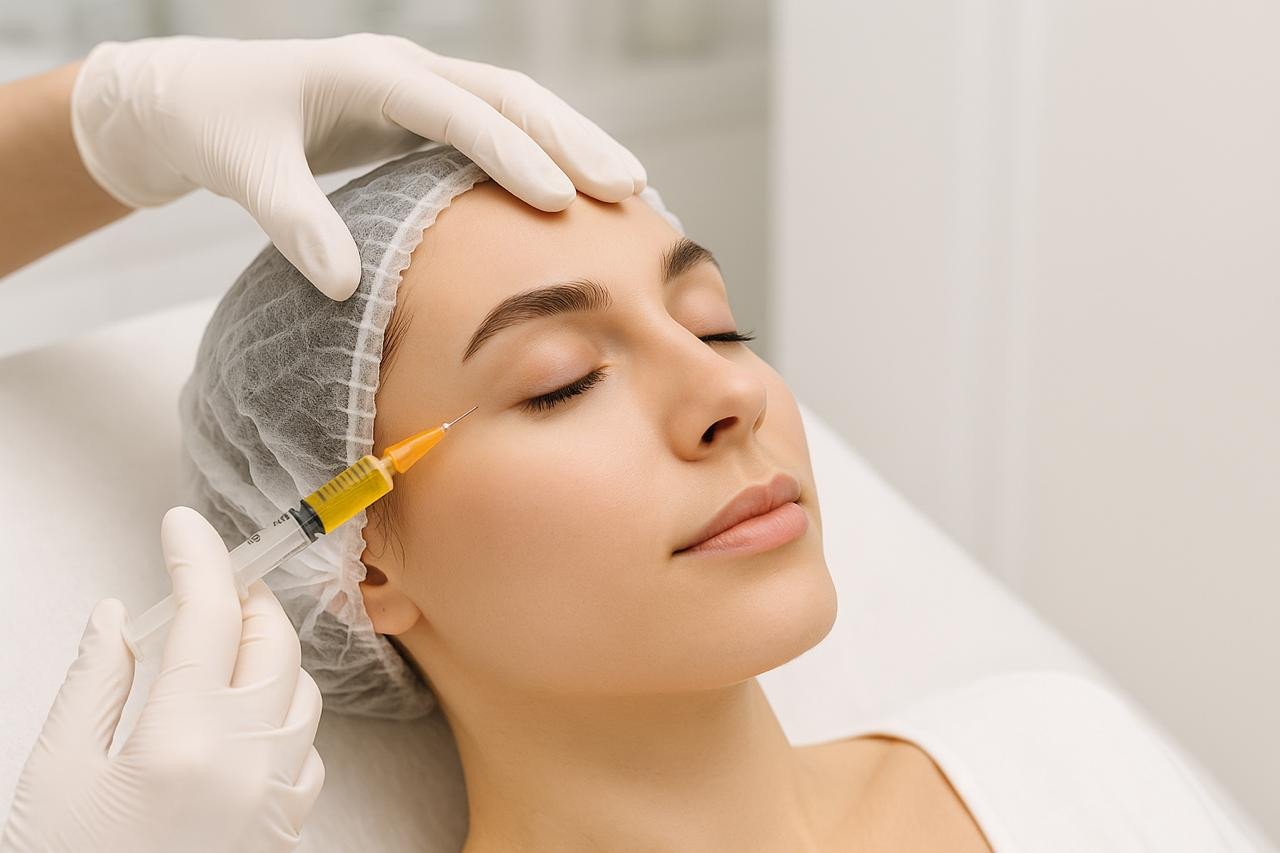
• Administration: Microinjections or mesotherapy provide superior results compared to topical application
• Downtime: Mild redness or swelling is common and usually short-lived
• Treatment course: Typically 2–4 sessions spaced 3–4 weeks apart
Final perspective from Cutiscity
Regenerative injectables are not about trends or brand names. They are about understanding biology, choosing the right indication, and applying expertise.
At Cutiscity, we aim to make dermatology knowledge accessible, accurate, and clinically relevant.
The right treatment is not the strongest option. It is the most appropriate one.
This guide is intended to serve as a reference point for patients, clinicians, and platforms seeking clarity in the evolving field of regenerative aesthetics.