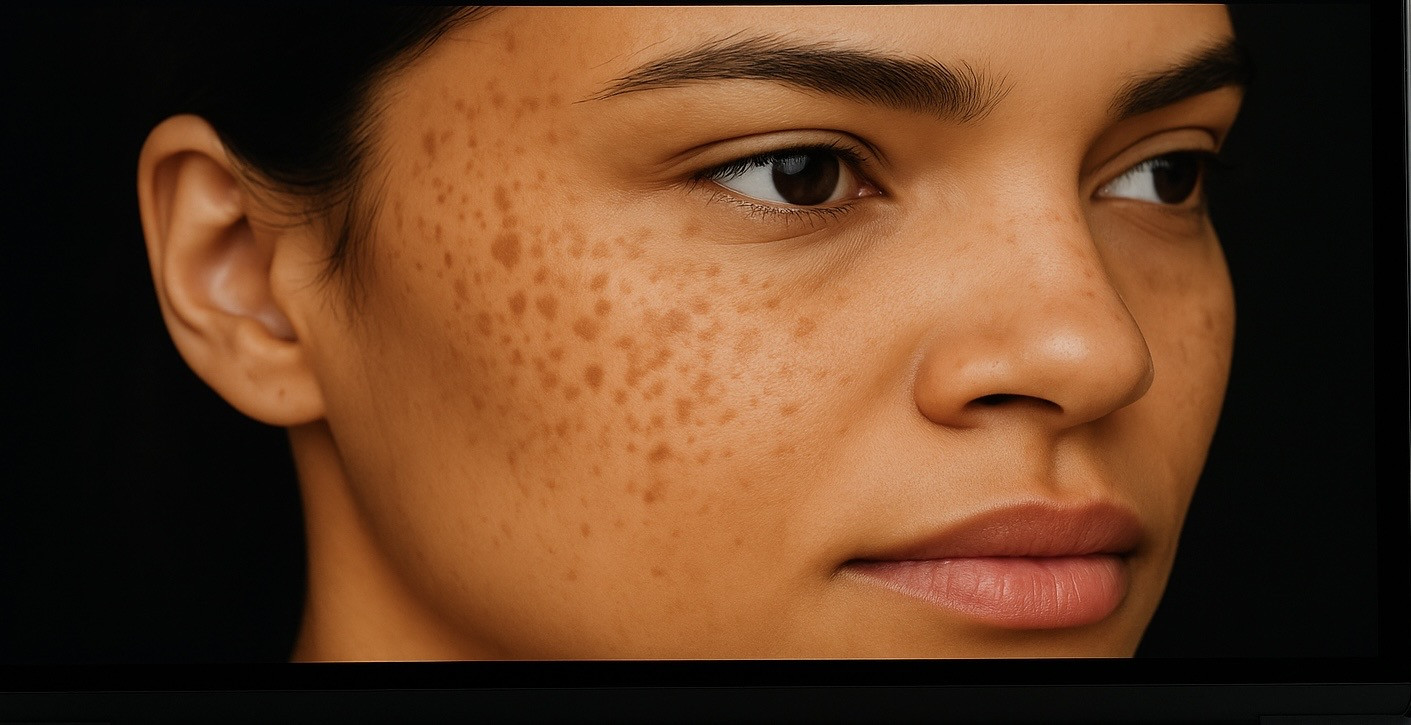

The Future of Treating Under Eye Dark Circles
Moving Beyond Creams and Concealers
Under eye dark circles are not a single diagnosis. They are a spectrum disorder of the periorbital unit.
For years, treatment focused on camouflage or temporary correction. Today, dermatology is shifting toward precision based diagnosis, regenerative strategies, and tissue quality restoration.
At Cutiscity, we believe the future of treating dark circles lies in understanding three key dimensions:
1- Structural shadow
2- Pigment biology
3- Microvascular and inflammatory signaling
When we address these layers intelligently, results become more natural and long lasting.
Step One: Redefining Dark Circles Through Phenotyping
Recent dermatologic literature emphasizes that periorbital hyperpigmentation is multifactorial and requires classification before treatment. Instead of labeling every case as “pigment,” modern assessment differentiates:
• Pigmented type
• Vascular type
• Structural hollowing
• Mixed presentation
Advanced imaging and dermoscopy increasingly help distinguish melanin deposition from vascular congestion. This avoids over treating patients with lasers when they actually need structural support, or placing filler where pigmentation is dominant.
The future is diagnostic precision.
Regenerative Approaches: Repairing the Periorbital Unit
The most promising research direction is regenerative stimulation rather than simple volume replacement.
Biostimulatory Injectables
Unlike traditional hyaluronic acid fillers that primarily restore contour, biostimulators such as polynucleotide based injectables are being studied for:
• Dermal thickening
• Collagen remodeling
• Improvement in skin translucency
• Reduction of vascular show through
Long term improvement in tissue quality reduces the shadow effect even without adding heavy volume.
This is particularly relevant in younger patients where skin thinning rather than fat loss is the main issue.
Energy Based Devices: From Pigment Removal to Tissue Engineering
Earlier laser treatments targeted melanin alone. Now newer generation devices combine:
• Fractional resurfacing
• Low density radiofrequency microneedling
• Vascular selective wavelengths
Emerging data suggests that controlled dermal injury stimulates neo collagenesis, increases dermal thickness, and improves microcirculation balance.
The goal is no longer just lightening the area. It is rebuilding the micro architecture of periorbital skin.
The Role of Exosomes and Growth Factor Science
One of the most exciting developments involves exosome based therapy.
Exosomes are extracellular vesicles derived from stem cells that carry signaling molecules. Early research indicates they may:
• Enhance collagen production
• Reduce inflammation
• Improve skin barrier repair
• Modulate pigment signaling pathways
Although still evolving in regulation and long term data, they represent a major step toward biologic correction rather than cosmetic masking.
Pigment Control: Targeting Pathways, Not Just Color
Topical therapy is also becoming more intelligent.
Instead of simple bleaching agents, newer formulations target:
• Tyrosinase inhibition
• Melanosome transfer
• Inflammatory cytokines
• Oxidative stress pathways
Tranexamic acid, cysteamine, stabilized vitamin C derivatives, and peptide complexes are being studied not just for lightening, but for interrupting the signaling cascade that drives persistent pigmentation.
This is a shift from surface correction to pathway modulation.
Tear Trough Filler: Refining the Technique
Hyaluronic acid fillers still have a role, but technique matters more than ever.
Modern approaches favor:
• Micro aliquots
• Deep placement over periosteum
• Cannula techniques for safety
• Avoiding overcorrection
Overfilled under eyes create more shadowing and lymphatic congestion. The future lies in subtle structural harmonization rather than aggressive volumization.
Lifestyle, But Scientifically Framed
Sleep, hydration, and allergy control remain relevant. However, research now links:
• Chronic inflammation
• Insulin resistance
• Environmental pollution
• UV induced dermal thinning
All of these accelerate periorbital aging and pigmentation. Long term management must address systemic health, not just the eye area.
What Will the Next 5 Years Look Like?
We anticipate:
• AI assisted facial mapping to identify structural versus pigment causes
• Personalized injectable layering protocols
• Combination regenerative packages using biostimulators plus energy devices
• More data on exosomes and polynucleotide therapies
• Non invasive dermal thickening technologies
Dark circles will increasingly be treated as a mini aesthetic unit with a customized, multi level protocol rather than a single procedure.
The Cutiscity Perspective
Under eye dark circles are not just about looking tired. They reflect tissue quality, structural anatomy, and biologic signaling.
The future of treatment is not concealment.
It is correction.
It is regeneration.
It is personalization.
At Cutiscity, we believe in moving from quick fixes to long term architectural improvement of the periorbital region.
Because brighter eyes are not created by hiding shadows.
They are created by rebuilding the foundation beneath them.
FAQs About Under Eye Dark Circles
What is the fastest way to treat dark circles?
Tear trough filler gives immediate improvement for hollowing. Pigmentation treatments take several weeks.
How long does tear trough filler last?
Typically 9 to 12 months depending on metabolism and product choice.
Can laser permanently remove dark circles?
Laser improves pigmentation and skin quality, but maintenance may be required.
Are regenerative treatments better than filler?
They improve skin quality. Filler corrects structural hollowing. Many patients benefit from both.