Why Modern Dermatology Treats Skin From the Inside Out
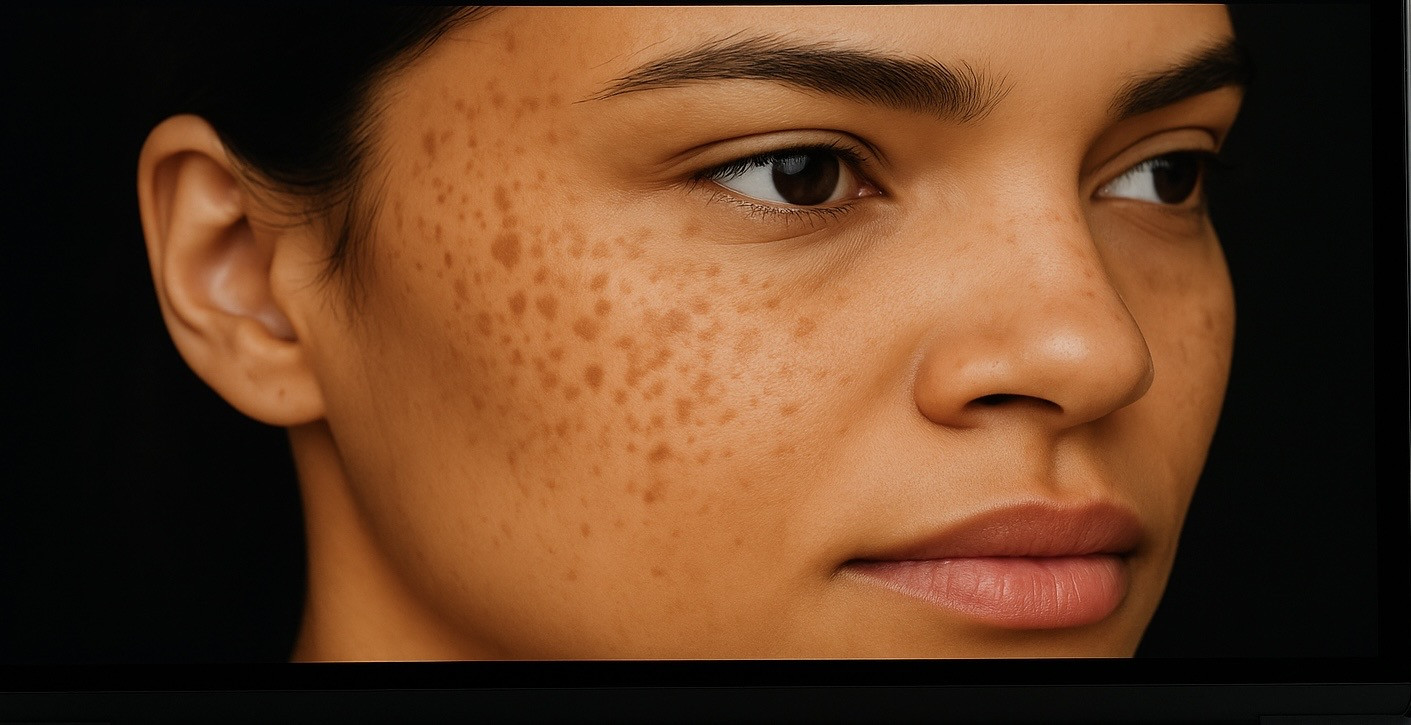
For many years, dermatology was centered on what we could see. Texture, pigmentation, wrinkles and laxity were addressed primarily at the surface level.
Today, our understanding has evolved.
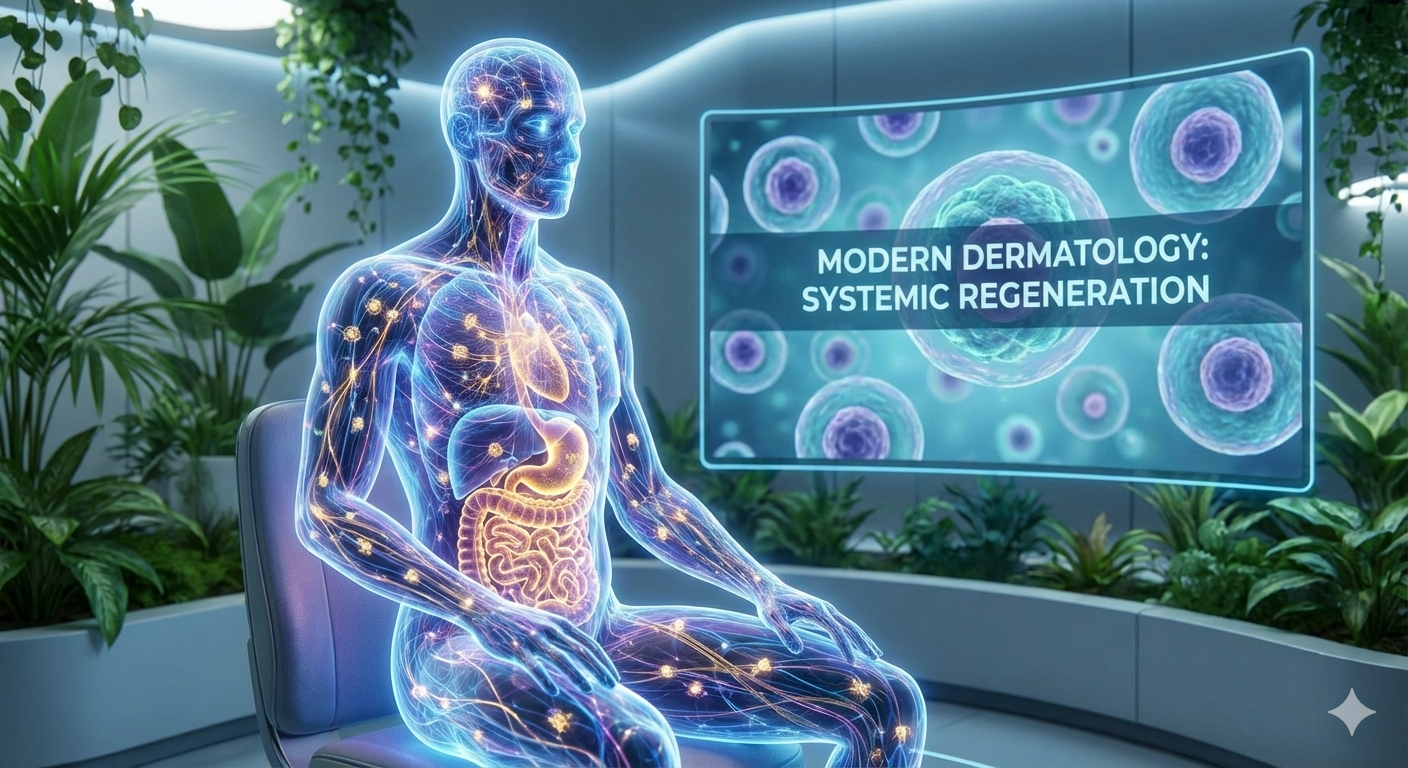
Skin aging is no longer viewed as a purely external process. It is now recognized as a biological shift driven by changes in cellular communication, chronic low grade inflammation and a gradual decline in the skin’s ability to repair itself.
This is why modern dermatology looks deeper than the skin barrier.
Skin Aging Is a Biological Process
Every skin cell responds to internal signals. When these signals become distorted with age, stress or metabolic imbalance, the skin reflects it. Thinning, dryness, delayed healing and loss of elasticity are often early signs of internal changes rather than isolated skin problems.
Treating only what is visible may improve appearance temporarily, but it does not address why the change happened in the first place.
Hormones: The Skin’s Internal Regulators
Hormones play a central role in how skin behaves.
Estrogen, testosterone, thyroid hormones, growth hormone and cortisol influence collagen production, hydration, barrier strength and wound healing. Even subtle shifts can lead to visible skin changes long before abnormalities are obvious in routine blood tests.
Supporting hormonal balance helps normalize skin cell behavior, improves response to treatments and enhances the durability of results.
Peptides: Guiding Cellular Behavior
Peptides function as signaling molecules that guide cells rather than forcing them.
They support collagen synthesis, calm inflammation and encourage repair by improving communication between skin cells. This approach aligns with how the skin naturally functions, allowing gradual improvement in quality and resilience.
Instead of pushing the skin, peptides help it remember how to function better.
Exosomes: Advanced Cellular Messaging
Exosomes represent a more refined level of regenerative signaling.
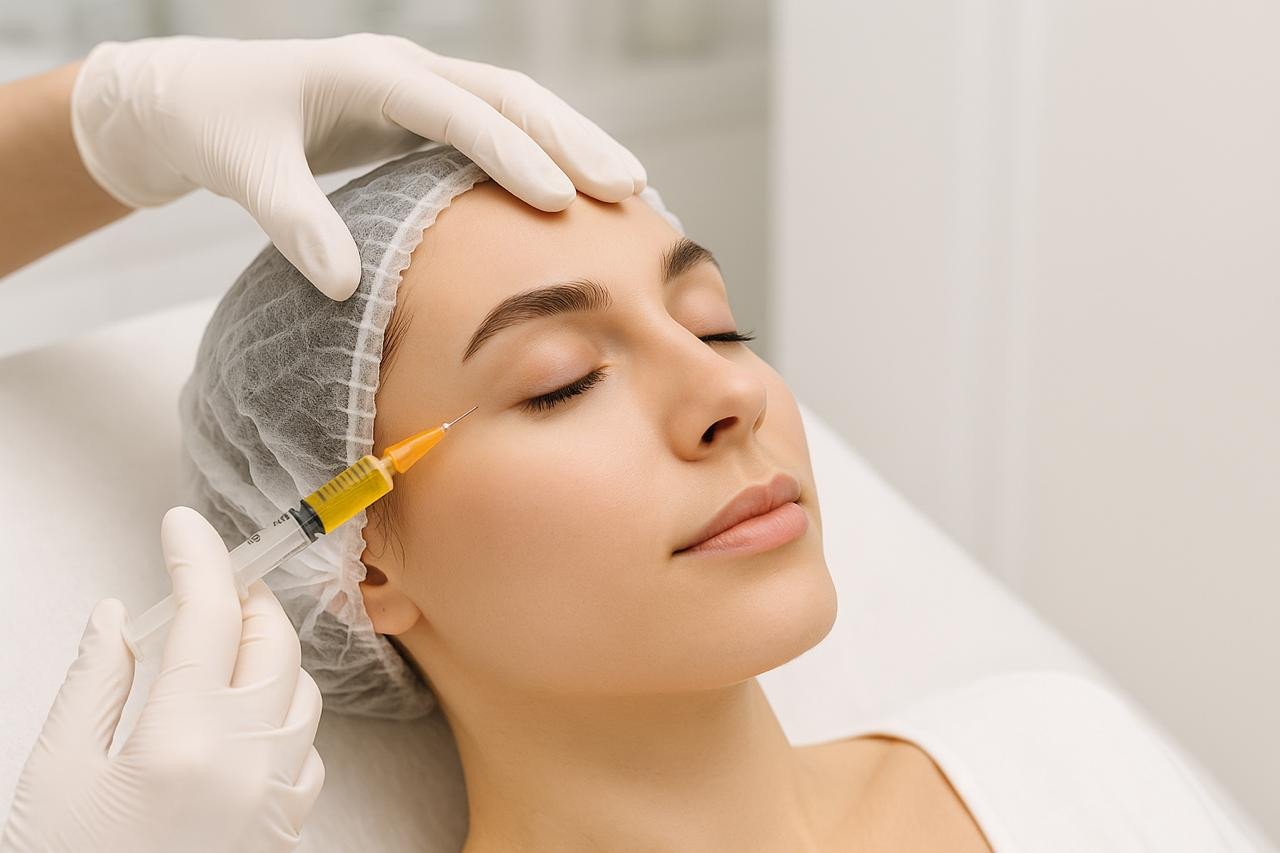
They deliver growth factors and genetic information that enhance cellular coordination. By reducing inflammatory signals and supporting regeneration, exosomes help improve skin quality, accelerate recovery after procedures and support hair and scalp health.
Their role is not to replace tissue, but to improve how tissue repairs and renews itself.
Regenerative Approaches and Skin Repair
With age, the skin’s intrinsic repair mechanisms slow down.
Modern regenerative strategies focus on reactivating these pathways. Rather than filling or masking loss, the aim is to improve tissue quality, structure and function over time.
Better regeneration leads to stronger, healthier skin with more natural and lasting improvement.
The Cutiscity Approach
At Cutiscity, skin is viewed as an extension of internal health because it's driven by dermatologists who specialize in skin health and its link with body's internal health.
By integrating aesthetic treatments with metabolic support, inflammation modulation and regenerative therapies, we focus on long term skin quality rather than short lived correction.
Not just improving how skin looks today.
But supporting the biology that allows skin to age better over time.